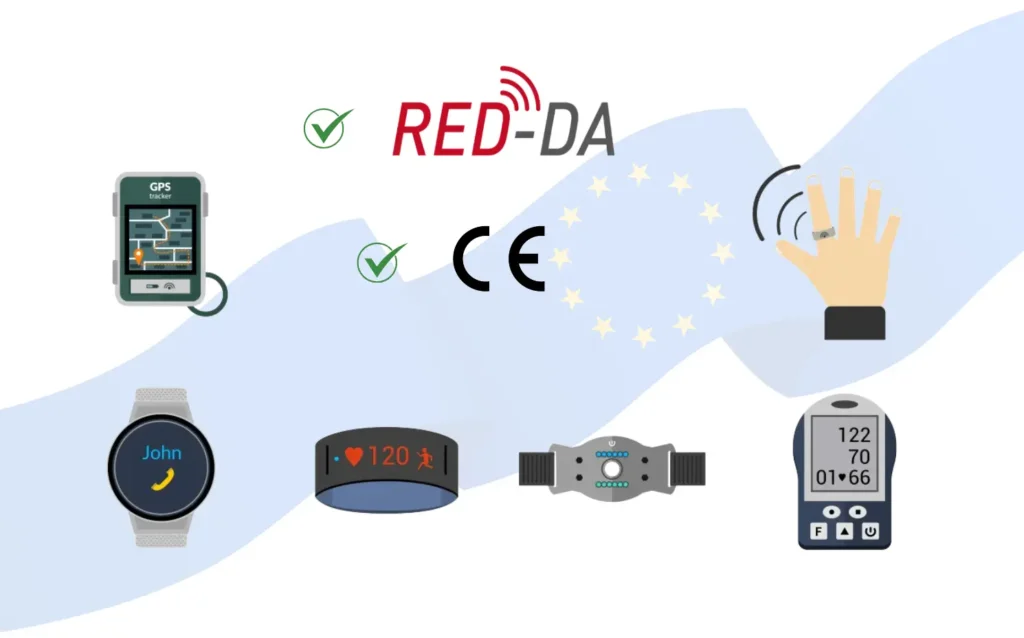
Building a wearable tracking device sounds straightforward: determine the location, send it somewhere, and display it in an app. In practice, the difficult part is not adding a GPS module or Bluetooth chip. It is making tracking accuracy, battery life,
Image Reference: bretwaters.medium.com After 15+ years in hardware product development, I’ve seen firsthand why hardware startups fail. In many cases, it comes down to the same five mistakes. 1. Technical founders underestimate sales and marketing Non-technical founders usually know they
Every GNSS receiver faces the same two questions at startup: where am I, and what time is it? The second question matters far more than most people expect. A simple real-time clock, a component that costs almost nothing, can
Zephyr RTOS vs SoftDevice Firmware Over-The-Air (FOTA) updates enable remote bug fixes, security patches, and feature upgrades on IoT and embedded products. On Nordic Semiconductor devices, developers choose between two approaches: the legacy SoftDevice-based DFU and the modern Zephyr RTOS-based
Problem Statement In motor control systems where speed is derived from an analog input (such as a potentiometer), small fluctuations in the input signal can cause frequent and unwanted speed changes. This leads to: Speed jitter Unstable user experience
Source: learn.sparkfun.com In LTE + GNSS modules, the real engineering challenge is not simply integrating two radios. The true difficulty is enabling continuous GNSS reception while LTE transmission and reception are occurring simultaneously. This is what “parallel reception” really means
Source: Pixabay Wearable devices combine sensors, wireless communication, batteries, and processing within a very small space. In many projects, PCB design becomes one of the most challenging parts of the system, mainly because multiple constraints need to be handled simultaneously.
Credit: CSA Matter Brand Kit Introduction The Internet of Things (IoT) is transforming how we use and control various devices in everyday life. IoT is expanding into nearly every sector from smart homes and connected cars to industrial automation,
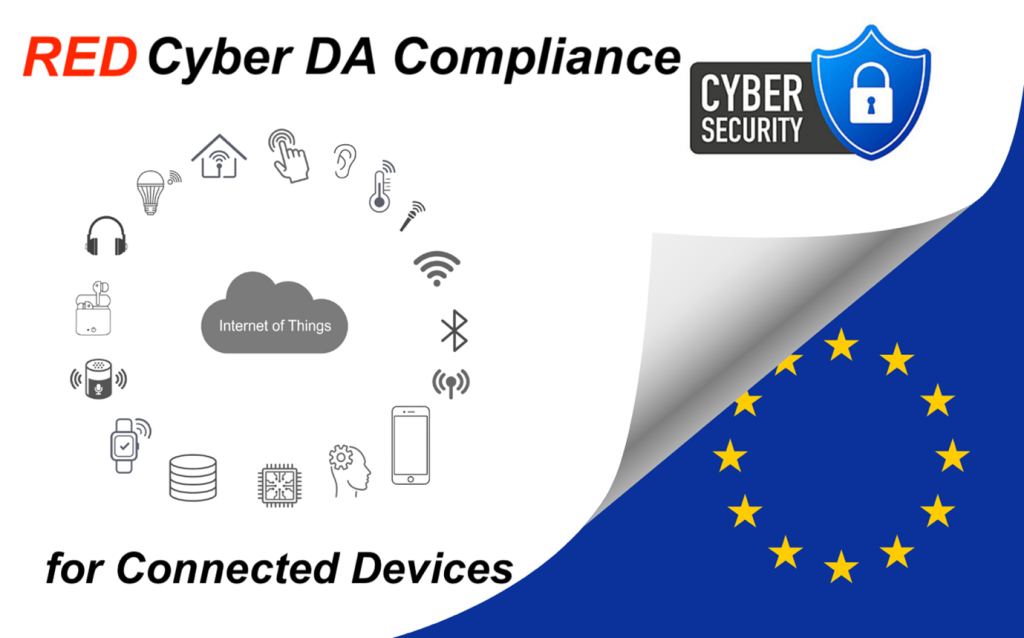
Since 1 August 2025, the RED Cybersecurity Delegated Act (Cyber DA) has been mandatory for all wireless-connected devices sold in the EU. If your product is not compliant, it cannot be CE marked and therefore cannot be legally placed
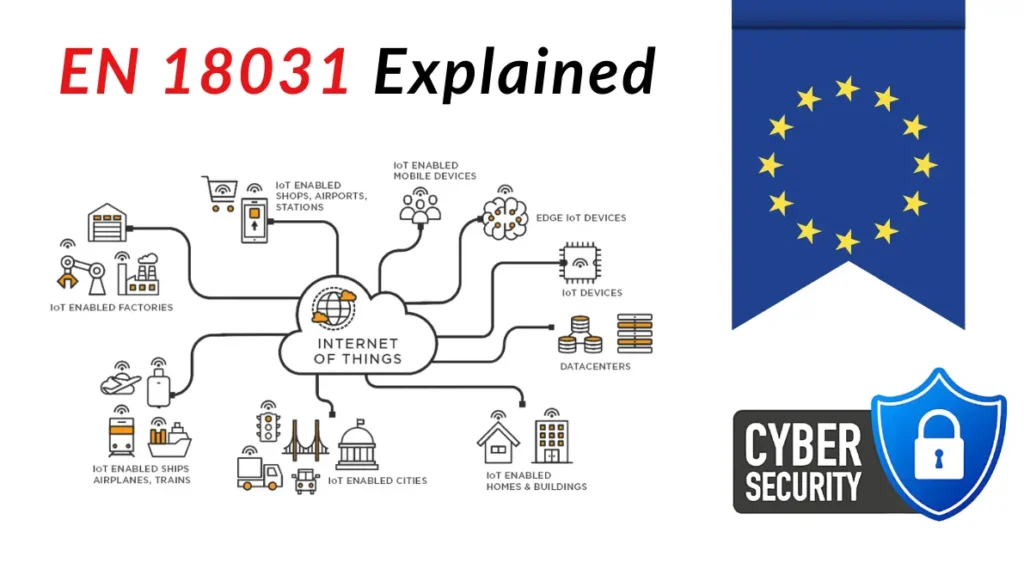
EN 18031 Explained: Meeting EU Security Standards for IoT Devices Wireless products that connect to the internet, handle personal data, or handle monetary value must meet the RED cybersecurity requirements. This comes from Delegated Regulation (EU) 2022/30 and its
As of 1 August 2025, the RED Cybersecurity Delegated Act (Cyber DA) is in effect . This means all wireless products sold in the European Union must now meet mandatory cybersecurity requirements. For hardware manufacturers, it’s a market access
The EU’s RED Cybersecurity Delegated Act (2022/30) comes into force in August 2025, making cybersecurity compliance mandatory for all internet-connected radio devices sold in the EU. This includes WiFi, BLE, and cellular-enabled devices, even if they are already CE-marked.
From 1 August 2025, the EU’s Radio Equipment Directive (RED) will enforce mandatory cybersecurity requirements for all internet-connected radio devices. This change affects nearly every manufacturer selling connected products, including those using WiFi, Bluetooth, or cellular technologies. What’s Changing?
You’re only 30 to 40 percent done when your hardware design is functionally successful (i.e., your prototype works). Shipping a real product involves multiple interdependent steps across engineering, supply chain, compliance, and operations. Here’s a detailed breakdown from functional
A SoC is a single chip that integrates key functions but requires external components, while a SoM is a ready-to-use module that includes a SoC plus supporting circuitry like power, memory, and RF, simplifying integration. The decision which one to
Subscribe Our Newsletter
We promise you will not recieve spam from us. You can unsubscribe anytime